
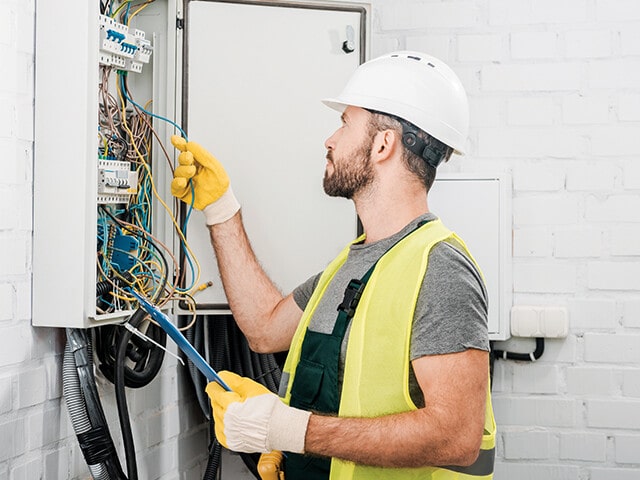
Commonly Used Electrician Tools
Electrical work calls for a few handy tools that don’t break the bank but make a huge difference. Anyone tackling tricky wiring needs solid electrician tools to get the job done right. Using cheap or beat-up gear is like trying to build a skyscraper with Lego blocks—it just won’t hold up. Investing in good tools saves time, keeps everything safe, and helps dodge costly errors. For example, quality wire strippers make slicing and peeling wires quick and painless, while a reliable multimeter takes the guesswork out of testing circuits. Folks handling serious electrical work quickly see how smart tools turn big headaches into smooth wins. Discover how the right tools can make tough jobs feel like a breeze and why getting them matters more than you think.
1. Continuity tester. This is a tiny battery powered tester that comes at a cheap rate. You use it to figure out whether the circuitry installment is broken. It finds breaks in the continuity of the circuits.
2. Multi-meter. This device additionally look for connection, but it is more flexible than a straightforward connection tester, as a multi-meter can also do voltage checks. Competent electrical experts may be able to use the device in a flash, however beginners ought to check out the manual. Usually, a multi-meter resembles an ohm meter, volt meter as well as continuity tester combined.
3. Circuit tester. This is a device that is easy to use. It is simply linked into a power electrical outlet. What it does is that it informs you whether the circuit is appropriately based or not.
4. Pliers. There are different kinds of pliers, from mini pliers to long nose pliers. Lineman pliers are best made use of for cutting or twisting thick wires or cables. Long-nose pliers are utilized for removing cables or bending cable ends.
5. Screwdrivers. That can neglect these devices? Also homeowners have a set in their tool kit. Electrical experts should have the suggested set of screwdrivers for reasons you should currently understand. Obviously, in the line of work you do, you require those with protected grips.
6. Voltage tester. The name describes the use of the tool. It checks whether the cables are hot. When using these tools, make sure to touch just the shielded probes. You do the examination by holding one probe alongside the wire you think is hot and also holding the various other probe alongside the grounding cord. You know the circuit is live when the light indicator glows.
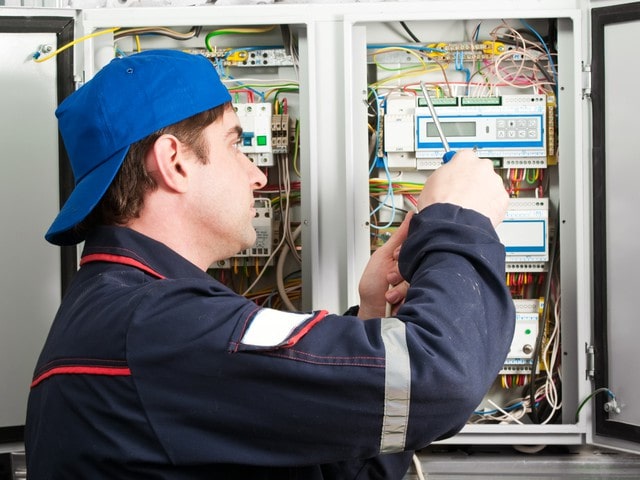
7. Cord stripper. Electrical cords usually are protected by rubber or plastic insulation to secure the bare wires from each other as well as to prevent individuals from obtaining electrocuted. Wire strippers been available in convenient when you require to connect cables or connect cables to gadgets. In these applications, you have to eliminate the rubber or plastic sheaths. Naturally, you need to make sure the power is off. The best wire stripper puncture the insulation without harming the bare wire inside.
8. Welding torch. This tool is generally utilized in repairing busted cords and also out of commission circuit card. It is utilized to use dissolved solder to the spot that requires fixing. When the solder dries out, a brand-new connection is made. Solder is a material made of lead as well as tin. The mix thaws at 800 levels Celsius. Sometimes, a crimper can be used to fix broken wires, rather than a solder. Hire highly trained electrical contractors by going to this website.
9. Based wrist band. Wrist straps protect delicate electronic devices from being harmed by ESD or static electrical energy. An individual can collect static costs, which the individual himself would certainly not spot. Such accumulation of ESD can affect electronics. The wrist strap will certainly shield the digital parts from fixed fees.
10. Other tools include fish tape, electric contact cleaner, compressed air, and also chip extractors.